

 Back to Blogs
What Are Security Doors and What Features Should You Look For?
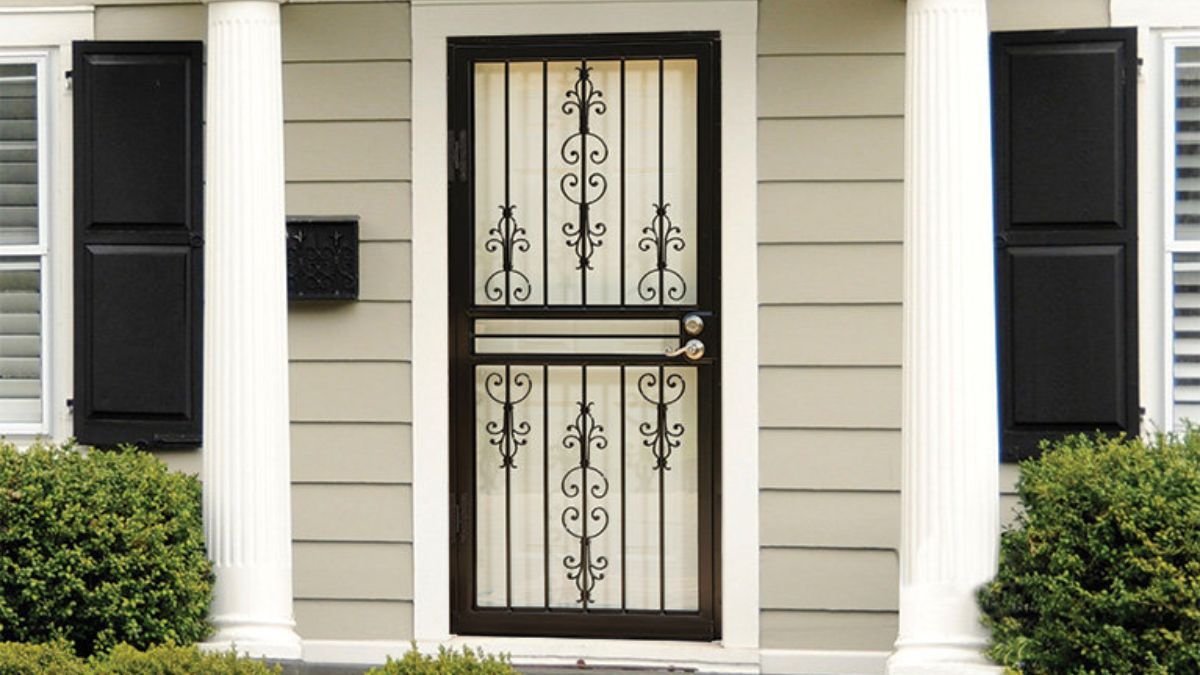
A security door is an exterior door built to resist forced entry through stronger materials, a reinforced frame, and upgraded locking hardware. If you are planning an entry door replacement, security deserves a spot at the top of your checklist, right alongside curb appeal and energy savings. In this blog post, we’ve covered how security doors work and which features to compare before you choose one.
What Are Security Doors and How Do They Work?
A security door works as a complete system, not a single slab. The door itself is usually made of heavy-gauge steel or high-strength fiberglass wrapped around an insulated foam core, which helps it withstand kicking, prying, and impact. Still, the slab is only part of the story. Most forced entries succeed at the weakest point, which is typically the frame beside the lock, where one hard kick can split the jamb.
That is why a true residential security door pairs a sturdy slab with a reinforced frame, a heavy-duty strike plate anchored deep into the wall framing, quality deadbolts, and hinges that can't be removed from the outside. When every component is matched and installed correctly, the door spreads force across the whole opening instead of giving way at one spot, buying valuable time and discouraging most would-be intruders.
What Features Should You Look for in a Security Door?
Not every door marketed as "secure" offers the same level of protection. Use these features as your comparison guide.
1. Strong Materials and the Right Steel Gauge:
Steel and fiberglass are the go-to materials for front door security. With steel doors, pay attention to the gauge, because a lower number means thicker metal. According to door manufacturer ProVia, a 20-gauge steel door contains about 49% more steel than a standard 24-gauge door, which adds noticeable strength and rigidity. Fiberglass doors resist dents and hold up well to Maryland's humid summers and freeze-thaw winters. Whichever you choose, ask for a solid, foam-filled core rather than a hollow one.
2. Reinforced Frames and Strike Plates:
A strong door in a weak frame is still a weak door. Look for:
• A reinforced strike plate secured with 3-inch screws that reach the wall stud, not just the trim
• A metal reinforcement plate or wrap around the lock and deadbolt area
• A moisture-resistant frame that won't soften or rot over time
• A tight, consistent gap between the door and frame, which makes prying much harder
3. High-Grade Locks and Multi-Point Locking:
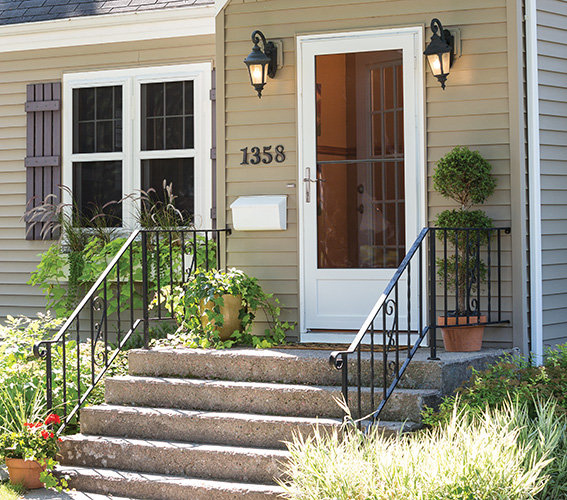
Locks are rated by ANSI/BHMA (the American National Standards Institute and Builders Hardware Manufacturers Association), with Grade 1 being the toughest. Choose a deadbolt with at least a 1-inch throw, meaning the bolt extends a full inch into the frame. For extra protection, a multi-point locking system engages the door at the top, middle, and bottom with a single turn of the key. If you want keyless convenience, many smart door locks offer keypad entry and phone alerts; just confirm the model carries a strong security grade.
4. Tamper-Resistant Hinges:
On outswing doors, hinge pins face the outside, which makes them a target. Non-removable hinge pins or security studs keep the door locked in place even if someone pops a pin. Longer hinge screws that bite into the framing add another layer of strength.
5. Safer Decorative Glass:
Glass inserts and sidelites brighten an entryway, but they shouldn't become a weak spot. Look for tempered or laminated glass, which is far harder to break through than standard glass. Keep the glass placed so no one can reach through to the lock, and consider textured or frosted privacy glass so your valuables stay out of view.
6. Energy Efficiency and Weather Sealing:
A secure door should also be comfortable to live with. Energy-efficient entry doors combine an insulated core with compression weatherstripping and an adjustable threshold to block drafts. An ENERGY STAR certification means the door meets efficiency guidelines set by the U.S. Environmental Protection Agency, which can help lower heating and cooling costs. As a bonus, a snug weather seal usually means a tighter, more secure fit.
7. Professional Installation:
Even the best door underperforms when it is out of plumb or poorly anchored. A professional door installation ensures the frame is shimmed, squared, and fastened correctly so the lock lines up perfectly with the strike plate. It also helps protect your product warranty, which DIY installation can put at risk.
Bottom Line
A security door is only as strong as its weakest component, so evaluate the entire system: the slab material, frame reinforcement, lock grade, hinges, glass, and installation quality. When you approach your front door replacement with all of these features in mind, you get a door that protects your family, trims energy costs, and looks great for years. Take your time, compare the specs, and rely on trained installers to finish the job right.
If you're ready to upgrade your home's security, Window World of Baltimore offers professionally installed entry doors and a Free Quote to help you get started.
Frequently Asked Questions
-
A solid-core steel or fiberglass door with a reinforced frame, a Grade 1 deadbolt, and multi-point locks offers the highest level of residential security when professionally installed.
-
Both are highly secure. Steel offers excellent strength, especially at 20 gauge, while fiberglass resists dents and handles temperature swings well.
-
A 20-gauge steel door is a strong choice because it is thicker and more rigid than the common 24-gauge doors found at many big-box stores.
-
Most professional entry door replacements are completed in a single day, depending on the door style and the condition of the existing frame.
-
Yes. Entry door replacement consistently ranks among the highest-return exterior projects in Remodeling magazine's annual Cost vs. Value report.