

 Back to Blogs
What Are Awning Windows and Where Do They Work Best?
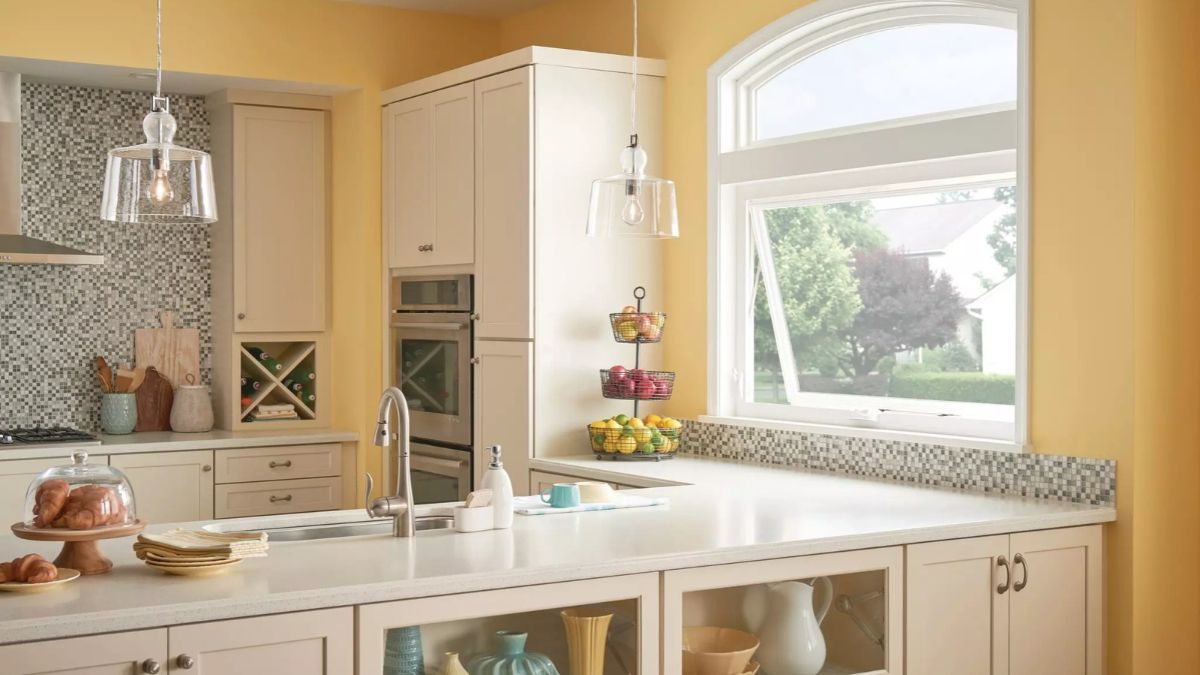
Awning windows are hinged at the top and swing outward from the bottom, usually with a hand crank. The open sash acts like a small roof, letting in fresh air while keeping rain out. They fit best in bathrooms, kitchens, basements, and high wall spots where privacy and airflow both matter. If you are planning a window replacement, awning windows deserve a close look, especially in regions with heavy rain and humid summers. This guide covers how they perform, where they make the most sense, and what to check before you choose them.
What Are the Benefits of Awning Windows?
Awning windows solve a few problems that other styles handle poorly. Here are the advantages homeowners notice most:
- Ventilation in wet weather: Because the sash tilts outward, you can leave it open during a light rain without water blowing straight in.
- A tight seal when closed: The crank pulls the sash against the frame on all sides, which limits air leaks. Good weatherstripping adds to that seal and supports energy-efficient window performance.
- Easy operation: One hand on the crank opens or closes the sash, which helps in awkward spots like over a kitchen sink or tub.
- Added security: A sash that locks against the frame is harder to pry open than many sliding panels, and crank hardware keeps it from drifting open on its own.
- Low upkeep: Vinyl frames do not chip, peel, crack, or warp the way wood can, which matters in humid climates.
- Flexible looks: Awning units can sit beside a large fixed window or stack in a row, and grid patterns such as Prairie, Colonial, and Craftsman help match the rest of the house.
People often confuse awning and casement styles because both open with a crank and seal tightly. The difference is the hinge. Casements hinge at the side and swing like a door. Awnings hinge at the top.
Where Do Awning Windows Work Best?
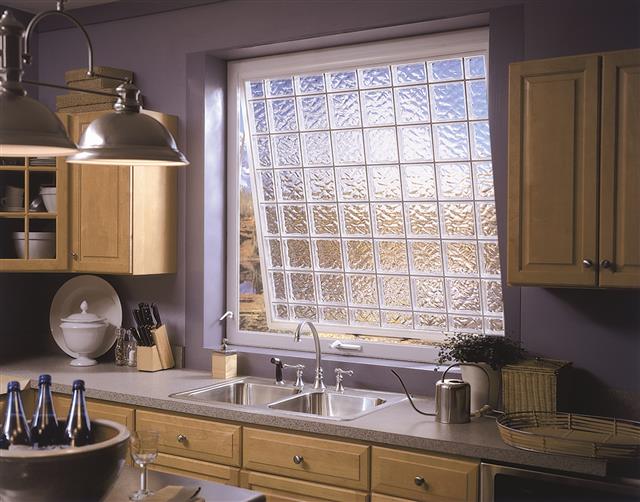
The best spots are places where you want airflow without a wide-open view, or where rain is a concern.
- Bathrooms are a natural fit - Moisture is the main enemy there, and an awning window lets steam escape. Pair it with obscure or rain glass, and you get ventilation with privacy.
- Kitchens benefit too: A small unit over the sink brings in airflow while you cook and stays open on a drizzly afternoon.
- Basements: Basements often sit close to the ground, where rain and sprinklers splash. The sash shelters the opening, so a damp room can still breathe.
- Doors and Large Windows: Above doors and larger windows, a narrow awning unit adds light and a vent without taking up wall space. Living rooms and stairwells often use this trick.
- Bedrooms: Bedrooms can use quiet, steady airflow at night. If you want the window to serve as an emergency exit, check your local building code first, because egress rules depend on the clear opening size.
What Should You Consider Before Installing Awning Windows?
Awning windows are not right for every opening. Run through these points first:
- Size limits: The sash swings outward on side arms, so very tall or wide awning units are uncommon. Many homeowners use them as smaller windows or pair them with fixed panes.
- Outdoor clearance: An outward swing needs room. Walkways, patios, shrubs, and porch furniture can all get in the way.
- Screen setup: Ask how the screen is mounted and how you will remove it, since the sash opens outward.
- Glass package: A Low-E coating with argon gas helps reduce the strain on your cooling system during long, hot months.
- Privacy glass: Tinted and textured options let you choose what fits a bathroom or a street-facing wall.
- Installation quality: How a window is installed affects its lifespan as much as the product. A crooked opening or a thin caulk line can cause early drafts. Well-made, properly installed vinyl windows typically last 20 to 30 years in Louisiana, depending on material, glass, and maintenance.
- Your existing opening: Full-frame window installation gives you more control over size and fit, while an insert in the current frame keeps the original trim. The right choice depends on the condition of the surrounding wall.
Warranty: Look for clear coverage on glass, frames, and moving hardware, and read the restrictions.
It also helps to know the signs that point toward window replacement in the first place. Common clues include fog between the panes, drafts near the sash, sashes that stick or will not stay open, soft or warped frames, and rising cooling bills. When two or three show up together, start comparing styles.
Bottom Line
Awning windows give you airflow in wet weather, a snug seal when closed, and easy crank operation. They shine in bathrooms, kitchens, basements, bedrooms, and above larger windows or doors. They are less ideal for wide openings or spots where an outward swing could hit something. Weigh the size, outdoor clearance, and glass package, and the right choice becomes clear fast. To get the best awning windows, reach out to Window World of Baltimore now.
Frequently Asked Questions
-
An awning window is hinged at the top and opens outward from the bottom with a crank. The tilted sash lets air in while shedding rain.
-
Yes, in light to moderate rain. The sash acts like a small canopy, though strong wind can still push water inside.
-
Awning windows hinge at the top and open outward from the bottom. Casement windows hinge at the side and swing open like a door.
-
They can be. The sash seals against the frame when closed, and a Low-E coating with argon gas further improves performance.
-
Avoid walkways, patios, or porches where the open sash could hit someone or something. Very wide openings are also a poor fit.