

 Back to Blogs
Storm Doors vs. Screen Doors: What's the Difference?
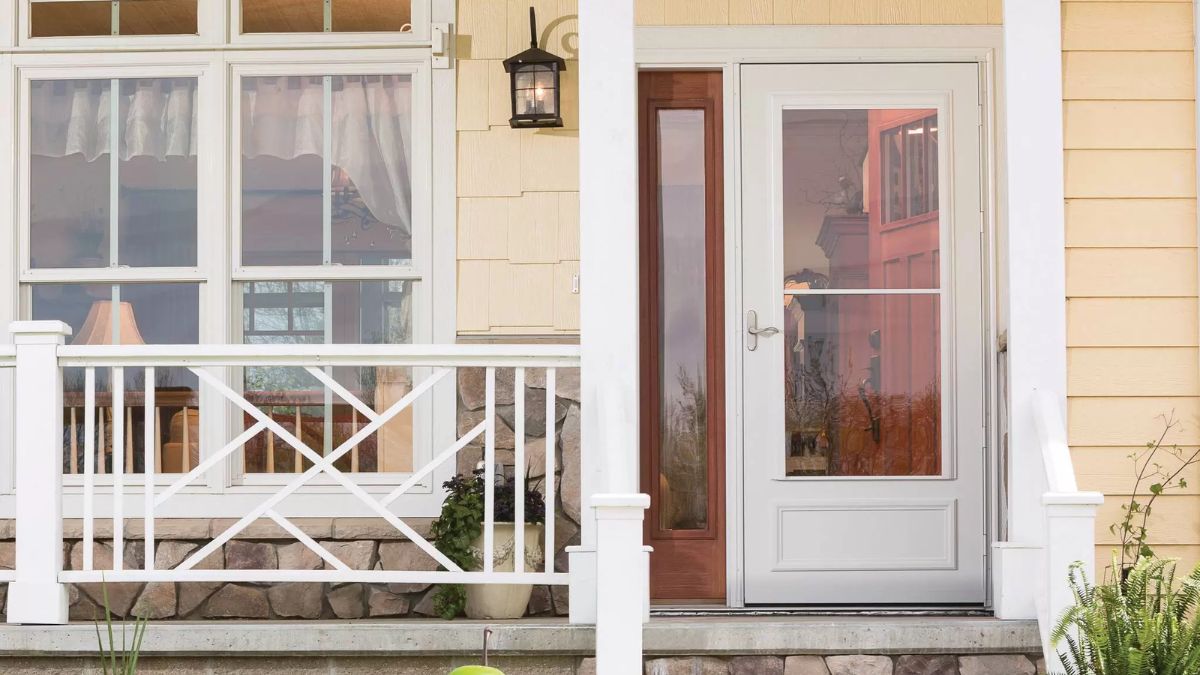
A storm door is a secondary exterior door with interchangeable glass and screen panels that adds weather protection and insulation in front of your main door. A screen door is a lighter, mesh-only door built mainly for airflow and keeping bugs out. In short, one is about protection, and the other is about ventilation. If you're planning an entry door replacement, knowing where each fits helps you choose what suits your climate, your daily routine, and your home's style. In the Baltimore area, where summers turn sticky and winters bring biting wind, that choice shapes your comfort all year long. Here's a clear breakdown.
Storm Doors vs. Screen Doors
Both doors mount outside your main door frame, but they solve different problems. Here's how they compare.
What Is a Storm Door?
A storm door is a sturdy secondary door that shields your main door from rain, snow, wind, and UV rays. Most styles let you swap a glass panel for a screen panel as the seasons change. Some newer designs feature a retractable screen that rolls up into the frame when you don't need it, so you never have to store a separate panel.
Common storm door styles include:
- Full-view: A single large glass panel that shows off your main door.
- Mid-view: Glass on the top half or two-thirds, with a solid lower panel for durability.
- High-view: A smaller glass area up top, ideal for homes with kids or pets.
Many models also offer low-E glass. "Low-E" stands for low-emissivity, a microscopically thin coating that reflects heat back toward its source. That keeps warmth inside during winter and helps block solar heat in summer.
What Is a Screen Door?
A screen door is a lightweight frame fitted with mesh. Its job is simple: let in fresh air and natural light while keeping out insects, leaves, and debris. It offers excellent home ventilation on mild days, but it provides little insulation or protection from harsh weather.
Side-by-Side Comparison
| Feature | Storm Door | Screen Door |
| Main purpose | Weather protection and insulation | Airflow and bug control |
| Panels | Glass and screen, often interchangeable | Mesh only |
| Best season | Year-round | Spring through early fall |
| Added security | Moderate, with keyed locks on many models | Minimal |
| Protects main door | Yes, from rain, snow, and UV fading | Very little |
How Each Works With Your Entry Door
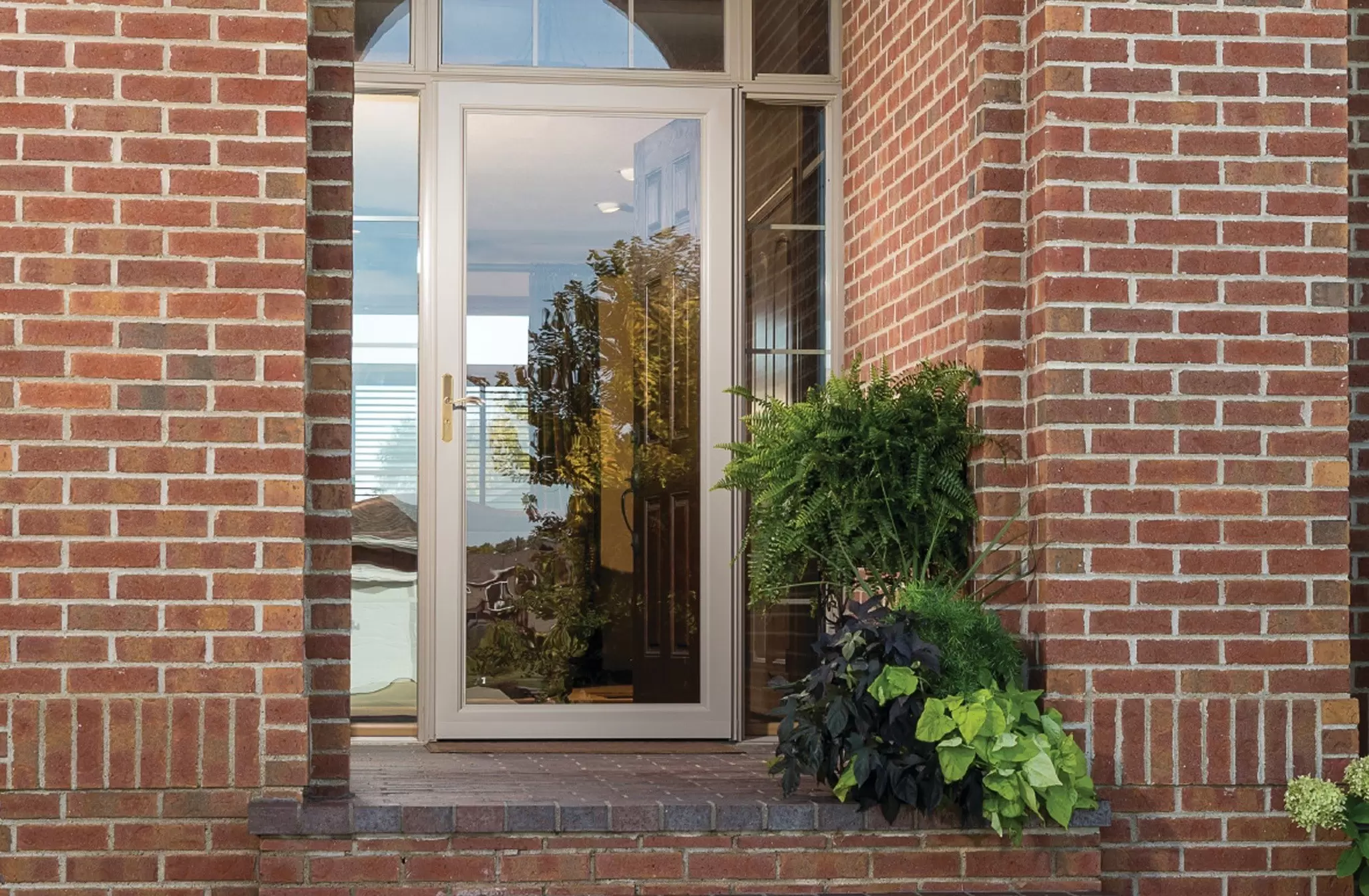
Think of a storm door as a partner for your main door. It creates an insulating air pocket between the two doors, improving energy efficiency and easing the load on your heating and cooling system. It also slows wear on your entry door's finish and weatherstripping, the flexible seals around the frame that block drafts and moisture.
A screen door doesn't add that thermal layer. It's a comfort upgrade rather than a protective one. If your current door is drafty, warped, or hard to lock, neither option fixes the root problem. In that case, a full front door upgrade usually delivers far more comfort and value.
Which One Fits Your Home?
- Choose a storm door if you face cold winters, wind-driven rain, or direct afternoon sun on your entryway.
- Choose a screen door if you mainly want cross-breezes and live where weather stays mild most of the year.
- Consider both features in one with a storm door that includes a retractable or swappable screen.
- Think about style. A full-view storm door can show off your entry door and boost curb appeal at the same time.
- Ask about heat buildup. On sun-facing entries, an installer can recommend glass and venting options that protect your main door.
Care Tips That Keep Doors Performing
Wipe frames and glass with mild soap and water. Avoid abrasive pads or harsh solvents.
Rinse screen mesh gently with a soft brush and a garden hose.
Check door closers and sweeps each fall before cold weather arrives.
Leave repairs and adjustments to a pro so you don't affect your warranty coverage.
Above all, rely on professional installation. Proper fit, square framing, and a tight seal are what make any door perform as designed.
Bottom Line
Storm doors protect and insulate; screen doors ventilate. If you want year-round defense against Maryland's humid summers and icy winters, a storm door is the stronger choice. If fresh air on mild days is your main goal, a screen door does that job well. Either way, the door behind it matters most. A well-sealed, energy-efficient main door with a lifetime limited warranty gives you lasting comfort, security, and lower maintenance. Restrictions may apply. For complete details, see the warranty at your nearest Window World store.
Ready to upgrade your entryway? Contact Window World of Baltimore for a free quote on professionally installed doors.
Frequently Asked Questions
-
A storm door adds weather protection and insulation with glass and screen panels, while a screen door uses mesh only for airflow and bug control.
-
Yes. A storm door creates an insulating air pocket in front of your main door, which helps reduce drafts and heat loss.
-
Yes. Many storm doors include interchangeable or retractable screens, giving you ventilation in warm months and protection in cold ones.
-
If your main door is drafty, damaged, or hard to lock, replacing it is the better fix. A storm door can't make up for a failing entry door.
-
With professional installation and routine care, a quality storm door can last for many years, often a decade or more.
-
No. Screen doors offer little insulation, so homes with cold winters benefit more from a storm door or a well-sealed entry door.