

 Back to Blogs
Dealing with Window Condensation?
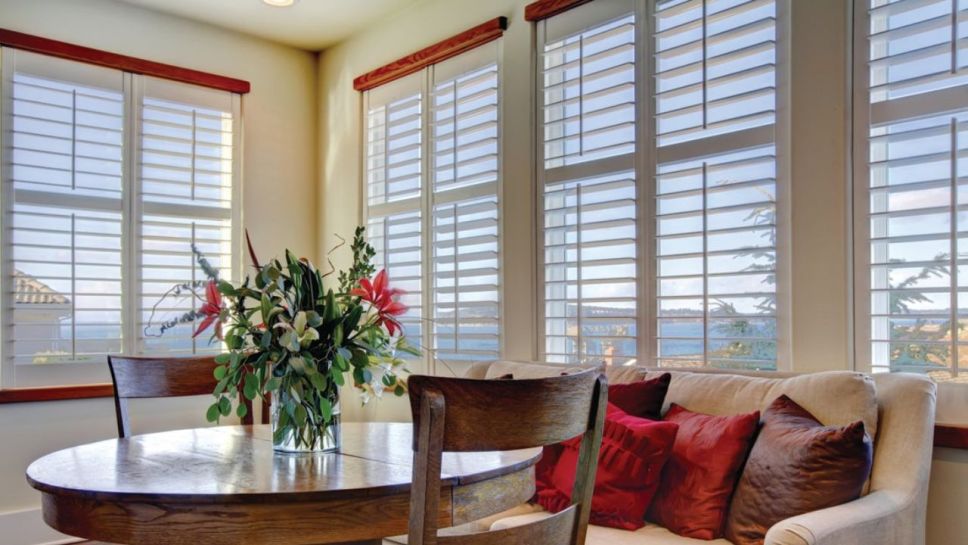
If you have ever walked into your kitchen on a cold morning and found your windows fogged up with moisture, you know the feeling. It is easy to brush it off as a minor annoyance, but window condensation is actually telling you something important about your home. Understanding what it means — and when it becomes a real concern — can save you a lot of trouble down the road.
At Window World of Baltimore, we hear from homeowners across the Baltimore area who are tired of wiping down their windows every morning, worried about moisture damage, or simply wondering whether their windows are still doing their job. This guide breaks it all down for you in plain language.
What Actually Causes Window Condensation?
Before jumping to solutions, it helps to understand the science. Window condensation forms when warm, humid air meets a cold surface. Your window glass, especially in older or single-pane windows, gets cold quickly in winter, causing indoor moisture to condense into water droplets on the surface.
Think of it like a cold glass of lemonade on a humid day. The outside gets wet because warm air is hitting a cold surface. The same thing happens to your windows.
The key factors are indoor humidity levels, outdoor temperatures, and the thermal performance of your windows.
The Three Types of Window Condensation
Not all condensation is the same. Knowing which type you are dealing with helps you figure out the right next step.
1. Interior Condensation
This is condensation on the inside surface of your window, facing into your home. It is usually caused by high indoor humidity. Common sources include cooking, hot showers, humidifiers running on full blast, and even the number of people living in the house.
Interior condensation is more common in older homes that are tightly sealed and in newer energy-efficient homes where there is less air exchange. While it is not usually a sign that your windows are failing, it can lead to mold growth and wood rot around window frames if left unchecked for long periods.
2. Exterior Condensation
Exterior condensation forms on the outside of the glass and is actually a sign that your windows are working well. It means the glass is maintaining a low surface temperature because the window is not letting heat escape from inside.
This type of condensation typically disappears on its own once the sun comes up and starts warming the glass. You do not need to do anything about it.
3. Between the Panes
This is the one that homeowners need to pay close attention to. If you see moisture, fogging, or a cloudy haze between the glass panes in a double- or triple-pane window, that is a sign the seal has failed. The insulating gas, typically argon gas, that sits between the panes has escaped, and outside air has gotten in.
A failed seal means your window is no longer providing the thermal insulation it was designed to deliver. Your home loses energy, your heating and cooling bills go up, and no amount of cleaning will fix that fog because it is trapped inside the unit.
Why Baltimore Homes Are Especially Prone to Condensation
Baltimore sits in a climate zone where summers are hot and humid, and winters can be bitterly cold. That combination creates ideal conditions for seasonal condensation problems.
In winter, indoor heating raises temperature and humidity while cold outdoor air chills the glass. In summer, air conditioning keeps the inside cool while outdoor humidity climbs. Older windows were never built to handle that kind of thermal demand.
Neighborhoods like Towson, Canton, and Hampden often have older housing stock with windows past their prime. If yours are more than 15 to 20 years old, they likely lack low-E glass coating and modern insulating technology.
Managing Indoor Humidity to Reduce Condensation
If you are dealing with interior condensation and your windows are otherwise in good shape, here are some practical steps that can help reduce moisture buildup in your home.
- Use exhaust fans consistently. Run bathroom and kitchen fans during and after cooking or showering. These fans pull humid air out of the home before it spreads.
- Check your humidifier settings. During winter, a humidifier is great for comfort, but running it too high will push indoor humidity to levels that cause condensation. Aim to keep relative humidity between 30 and 50 percent during cold months.
- Increase air circulation. Opening curtains and blinds during the day allows air to circulate along the window surface, which helps reduce the buildup of moisture.
- Make sure your home has adequate ventilation. Newer, well-sealed homes sometimes need a fresh-air ventilation system to balance indoor air quality and humidity levels.
These steps can reduce how much condensation you see, but they will not fix the underlying issue if your windows are old, single-pane, or have failed seals.
When Condensation Signals It Is Time for Replacement Windows
There are some clear signs that condensation is no longer just a humidity issue and is pointing to a bigger problem with your windows.
- Fogging between the panes that does not wipe away is the clearest sign of a failed seal. Once the insulating seal goes, the window unit cannot be restored to its original performance. The only real solution is a full window replacement.
- Drafts near the window frames combined with condensation suggest that the window is allowing cold air infiltration, which chills the glass further and makes condensation worse.
- Peeling paint, warped frames, or soft spots around the window are signs that moisture has been sitting long enough to cause structural damage. At that point, the issue has moved beyond the glass and into the surrounding structure.
- High energy bills are another indirect sign. If your windows are condensating heavily and you are noticing your heating bills climbing, your windows are likely losing a significant amount of heat. New windows can help prevent indoor moisture problems by improving insulation. Homeowners looking for replacement windows in Burtonsville, MD can improve insulation and reduce condensation issues with modern window solutions.
How Energy-Efficient Vinyl Windows Help
Modern energy-efficient replacement windows are designed specifically to reduce condensation and improve home comfort. Here is what makes a difference.
- Low-E glass has a microscopically thin coating that reflects heat back into your home in winter and blocks heat gain in summer. It also helps keep the interior glass surface warmer, which reduces the chance of condensation forming.
- Argon gas fills between double or triple panes act as an insulating layer. This keeps the glass surface at a more stable temperature and reduces the cold spots that lead to condensation.
- Vinyl frames do not conduct cold the way older aluminum frames do. That means less thermal transfer through the frame itself and fewer spots for moisture to form.
Window World of Baltimore offers vinyl replacement windows that are ENERGY STAR qualified, meaning they meet strict federal standards for energy performance. They are also made in the USA and come with a lifetime limited warranty, so you are covered for the long haul. Restrictions may apply. For complete details, see the warranty at your nearest Window World store.
Conclusion
Condensation is your home trying to tell you something. Sometimes it is a humidity fix. But in older Baltimore homes, it often means your windows are no longer performing the way they should.
When you are ready to stop dealing with foggy glass and rising energy bills, Window World of Baltimore is here to help. As America's #1 Exterior Remodeler, we bring quality vinyl replacement windows built to last right to your door.
Contact us today to schedule your free in-home quote. When Quality and Value Matter Most know where to turn.
Locally Owned. Nationally Known.
Frequently Asked Questions
-
Not always. Interior condensation is often caused by high indoor humidity, but condensation between the glass panes is a clear sign that the window seal has failed and replacement should be considered.
-
No. Fogging between the panes means the sealed unit has failed and the insulating gas has escaped. Cleaning the outside glass will not resolve the issue, and the window will need to be replaced to restore its energy performance.
-
Low-E glass keeps the interior glass surface warmer during cold weather, reducing the temperature difference that causes condensation. Argon gas between the panes adds insulation, which also helps maintain a more stable glass surface temperature.
-
Most experts recommend keeping indoor relative humidity between 30 and 50 percent during colder months. Running exhaust fans and adjusting humidifier settings can help you stay within that range and reduce interior condensation.
-
Quality vinyl replacement windows can last 20 to 30 years or more with proper care. However, windows older than 15 to 20 years may have worn seals or outdated glass technology that makes them more prone to condensation and energy loss.