

 Back to Blogs
Standard Window Sizes Explained: What Homeowners Need to Know
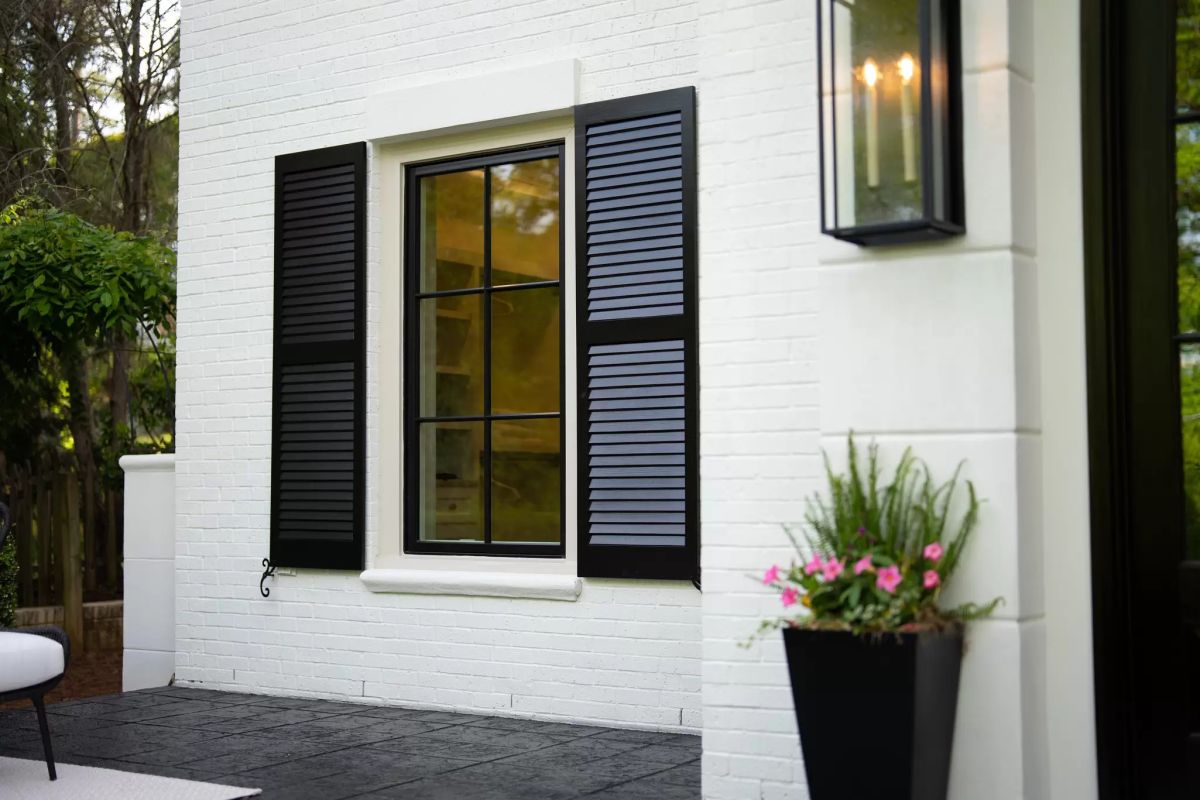
Window replacement starts with understanding standard window sizes and how they fit your home's existing openings. While many windows come in common dimensions, older homes often have openings that require more precise measurements.
Even a slight change in height or width can cause poor or improper installation. Therefore, you should select the most suitable window type for your space design, priority functions, and requirements. Consider these characteristics while purchasing new windows for your homes.
Manufacturers' available sizes can serve as a reference for comparing proposals from different suppliers and finding the best price-to-quality ratio.
This guide explains standard window sizes by style, why accurate measurements matter, and how Window World of Baltimore measures each opening to help ensure your replacement windows fit properly.
What Counts as a Standard Window Size?
Before buying a replacement window for your home, understanding its size is crucial. Standard window size refers to common widths and heights used across most homes. Width comes first, then height, in inches. A 36 by 48 window is 36 inches wide and 48 inches tall.
Many homes built in the last century use these dimensions. Older homes, including many Baltimore rowhomes, often have openings that vary slightly from them.
Common Window Sizes by Style
The ranges below are typical industry figures, not exact product specifications. Every home is different, so treat them as a starting point.
Double-Hung Windows
Double-hung windows are an ideal choice for living rooms and bedrooms. Typical widths run from about 24 to 48 inches, with heights from 36 to 72 inches. Both sashes (the movable glass panels) slide, and they tilt in for easy cleaning.
Sliding Windows
Sliding windows move side to side and are usually wider than they are tall. Widths of 36 to 72 inches are common, which suits kitchens, basements, and wide wall spaces.
Casement and Awning Windows
Casement and awning windows crank open on a hinge. Casements tend to run narrow and tall, while awning windows run wide and short, which makes them handy above a sink or tub.
Picture, Bay, and Garden Windows
Picture windows do not open, so they follow the view rather than a set size. Bay and bow windows and garden windows also depend on the wall they sit in. These are measured case by case.

Why the Exact Size of a Window Matters More Than You Think
The rough opening is the bare hole in the wall before a window goes in. If the new unit is even a quarter inch off, more filler is needed around the edges. Filler gaps are where drafts, moisture, and higher energy bills start.
That is why a window replacement works best when the window is built for the opening, not rounded to the nearest catalog number. Window World of Baltimore builds windows to fit your home's specific measurements.
The Bedroom Rule Most Homeowners Miss
Building codes generally require bedroom windows to open wide enough for escape in an emergency. This is called egress. Model residential codes commonly ask for about 5.7 square feet of clear opening, at least 24 inches of clear height, and at least 20 inches of clear width.
Here is the catch. A double-hung window only opens about half its height. A 36 by 60 may qualify, while a 24 by 36 usually will not. Local rules vary, so ask your Design Consultant to check your plans against current local requirements.
Get the Right Fit with Window World of Baltimore
Standard window sizes are a helpful starting point, but accurate measurements are key to a proper fit, better energy efficiency, and bedroom safety. Window World of Baltimore has served homeowners across Baltimore City, Baltimore County, Anne Arundel County, and Howard County since 2002.
As a locally owned company, we offer windows made in the USA, with every project starting with a Free Quote. Explore our service areas, browse available window styles, or use the Design Center to picture new windows on your home.
Ready to get started? Get a Free Quote and find the right fit for your home.
Frequently Asked Questions
-
Standard sizes vary by style, but double-hung windows commonly range from 24 to 48 inches wide and 36 to 72 inches tall. Sliding windows run wider, often 36 to 72 inches, so the right size depends on the room and the opening.
-
A 36 by 48 inch window and a 30 by 54 inch double-hung are among the most common sizes to have for your homes. Older homes often differ slightly, so exact measuring still matters.
-
Measure the width and height of the existing opening at three points each and record the smallest numbers. A design consultant then confirms the exact size during a free in-home visit.
-
At Window World of Baltimore, windows are built to fit your home's specific measurements. That means the new window matches your opening instead of forcing a standard size into it.
-
Bedroom windows should be able to serve as an emergency exit, meaning that they should have a minimum opening of 5.7 square feet and a height and width that is at least 24 inches. However, it is best to check with your local jurisdiction because some places have their own requirements.